
More than ten years ago, although I pursued photography professionally, but it wasn’t my main job. I was the creative director of a magazine, where I had the freedom to choose concepts that felt right to me. I picked up my camera when I felt inspired, when I came across an idea or a person whose story I wanted to tell through photographs.
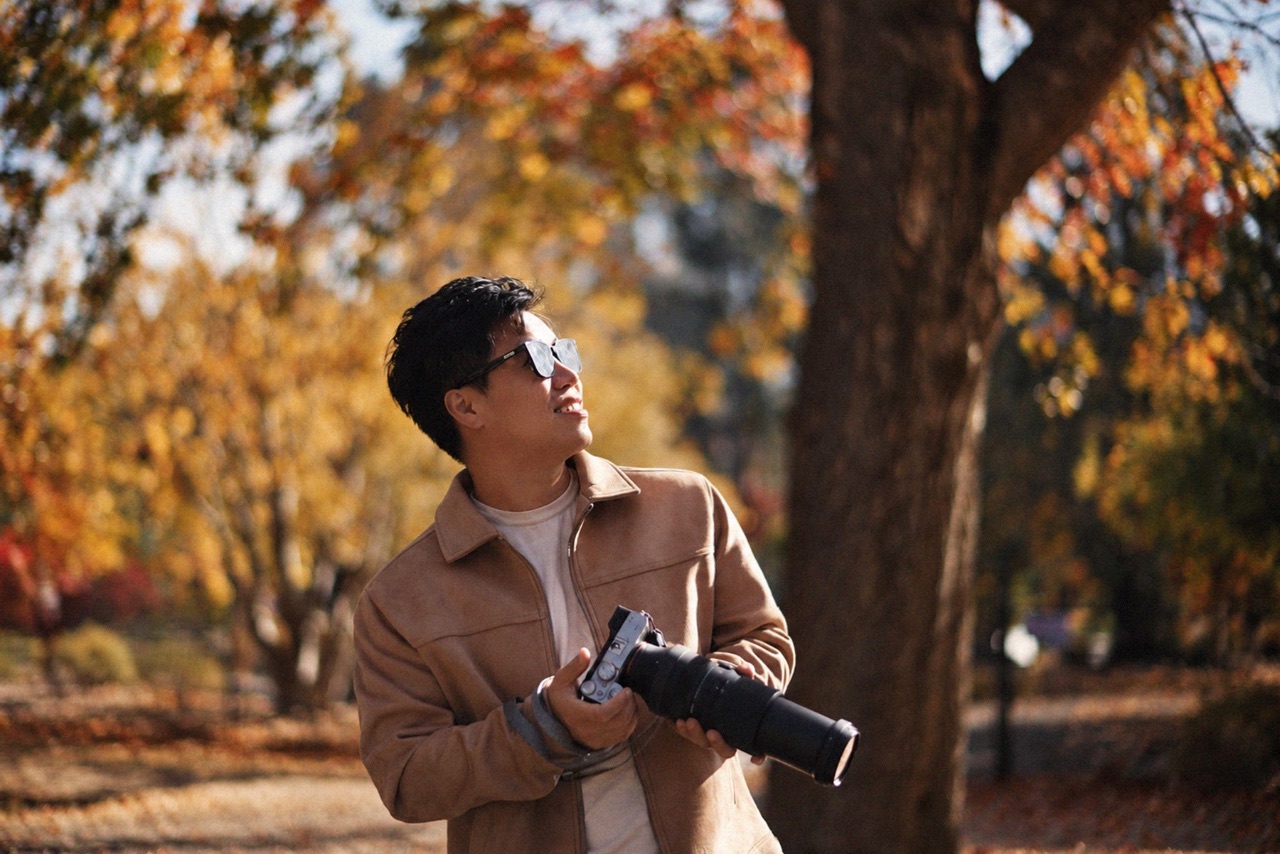
My work at the magazine helped introduce me to a wider audience. Clients came to me because they loved what I had created, so we usually found it easy to connect. They already understood and related to the way I saw things, at least in part.
Of course, some people came to me with very different ideas, and I turned quite a few of them down.
It wasn’t because what they wanted was any less beautiful or valuable. I simply knew I wasn’t the right person to do it for them. Put simply, sometimes our tastes just didn’t align. Some people prefer carefully arranged images and posing that follows a set formula. I’m drawn to natural emotion, authentic moments and the little things that make the person in front of my lens who they are. If I don’t feel connected to what a client is looking for, it’s hard for me to find the enthusiasm I need to do my best work.
And because photography wasn’t a source of income I depended on, I could turn those jobs down without any regret.
During the years I spent away from photography, I still imagined that one day I would pick up my camera again, but only to photograph the people I loved, or my own little family someday. I believed I would do it well, because when photographing someone I love, I have a connection, an emotional bond and a very natural reason to hold on to each moment.
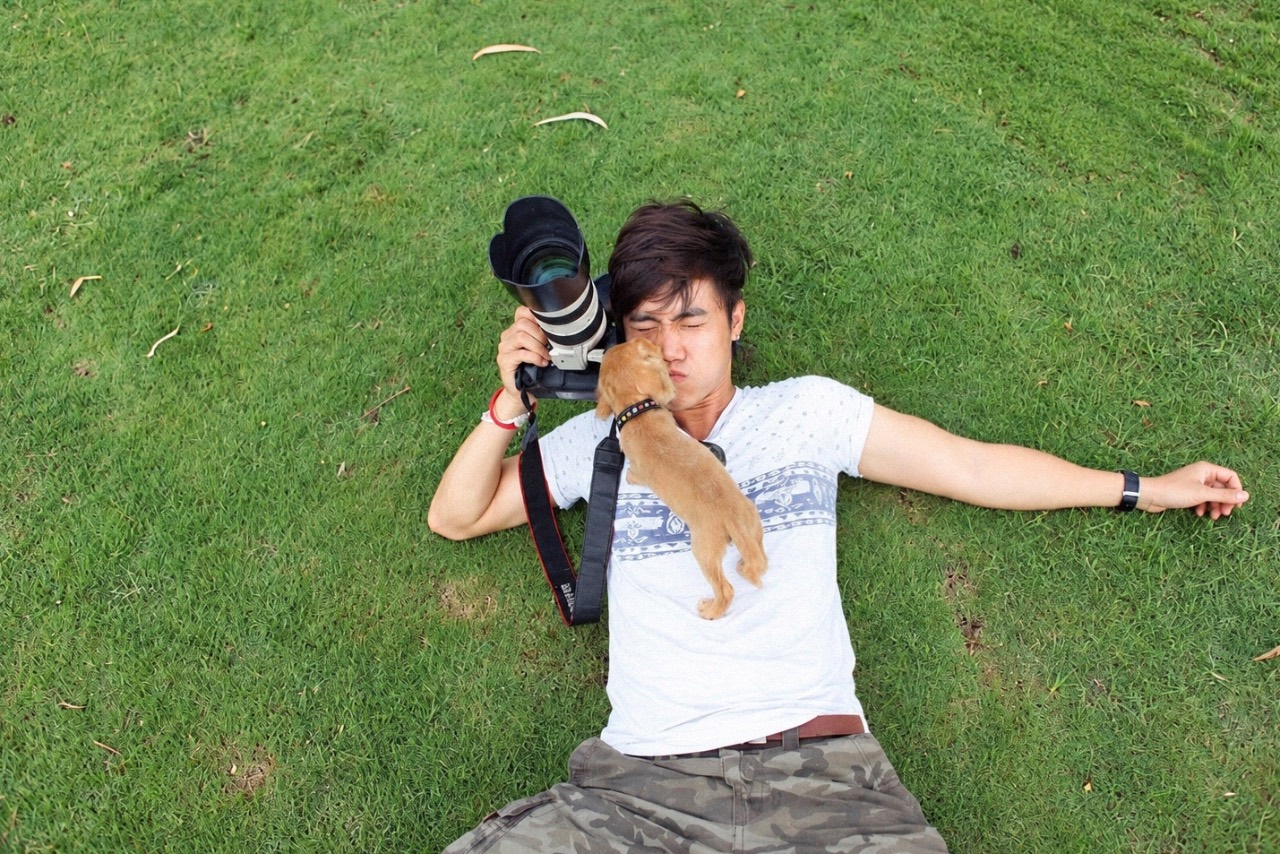
Then, when I finally decided to return, the excitement came with a question I hadn’t had to face before:
If photography became my full-time job, would I still have that same sense of freedom?
Back then, I could choose my clients because of two things: the position I had built through my work at the magazine, and the fact that I didn’t need to rely on photoshoots to make a living. If photography became my main source of income, things might be different. I couldn’t think only about the shoots that inspired me. I would also need to find clients, maintain an income, manage the work and honour my commitments to others.
After years in business, I see this more rationally. I’ve learned to distinguish between making a profit and doing something that fulfils a passion. The two can come together, but in my view, to have both, you need to be very good, very lucky, or have a little of both.
For me, passion can remain free when I give it a foundation strong enough to support it.
I don’t think there’s anything wrong with working for money, nor do I think someone has to turn their passion into a career to be true to themselves. A job can bring stability, while a passion gives me a space of my own to create and feel alive.
But if you choose to pursue a passion as a full-time job, I think you have to be honest about everything that comes with it: the parts of the work that don’t excite you, the times you need to be flexible, and the difficult decisions between what you want to do and what you need to do to keep going.
That doesn’t mean accepting every client or giving up my style. But to keep the freedom to choose, I need to rebuild the trust of my clients and a financial foundation strong enough to let me say “no” when something doesn’t feel right.
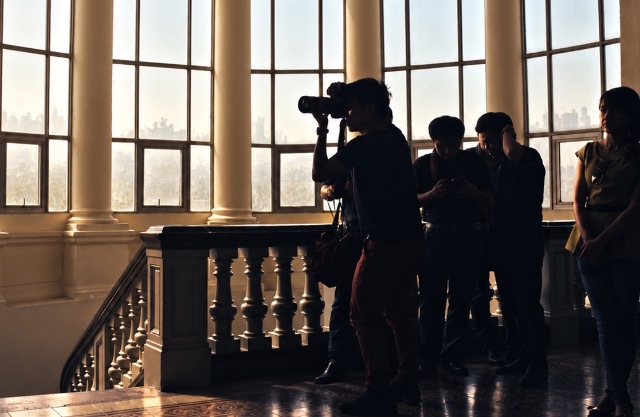
In the end, my answer isn’t about choosing entirely between passion and practicality. It’s about creating the freedom to choose for myself.
I choose to diversify my income through other work, so that photography can have a space that feels secure. In that space, I don’t have to accept every shoot to make a living. I can continue choosing projects that feel right and give my whole heart to clients who come to me because they truly love the way I see things.
For me, passion can remain free when I give it a foundation strong enough to support it.
Conversation
Leave a note